
4th Grade Homeschool Science Curriculum


Science Shepherd 4th Grade Courses
If you're doing your research for 4th grade homeschool science curriculum, this is the post for you! Whether you are new to Science Shepherd or a returning family looking for what comes next, it will provide a quick overview of the Science Shepherd courses that are a good fit for 4th grade. Hopefully it will make choosing your science curriculum a bit easier!
What about 3rd grade? If you're not ready to start 4th grade yet, you can review our 3rd grade homeschool science options here.
Introductory Science for 4th Grade
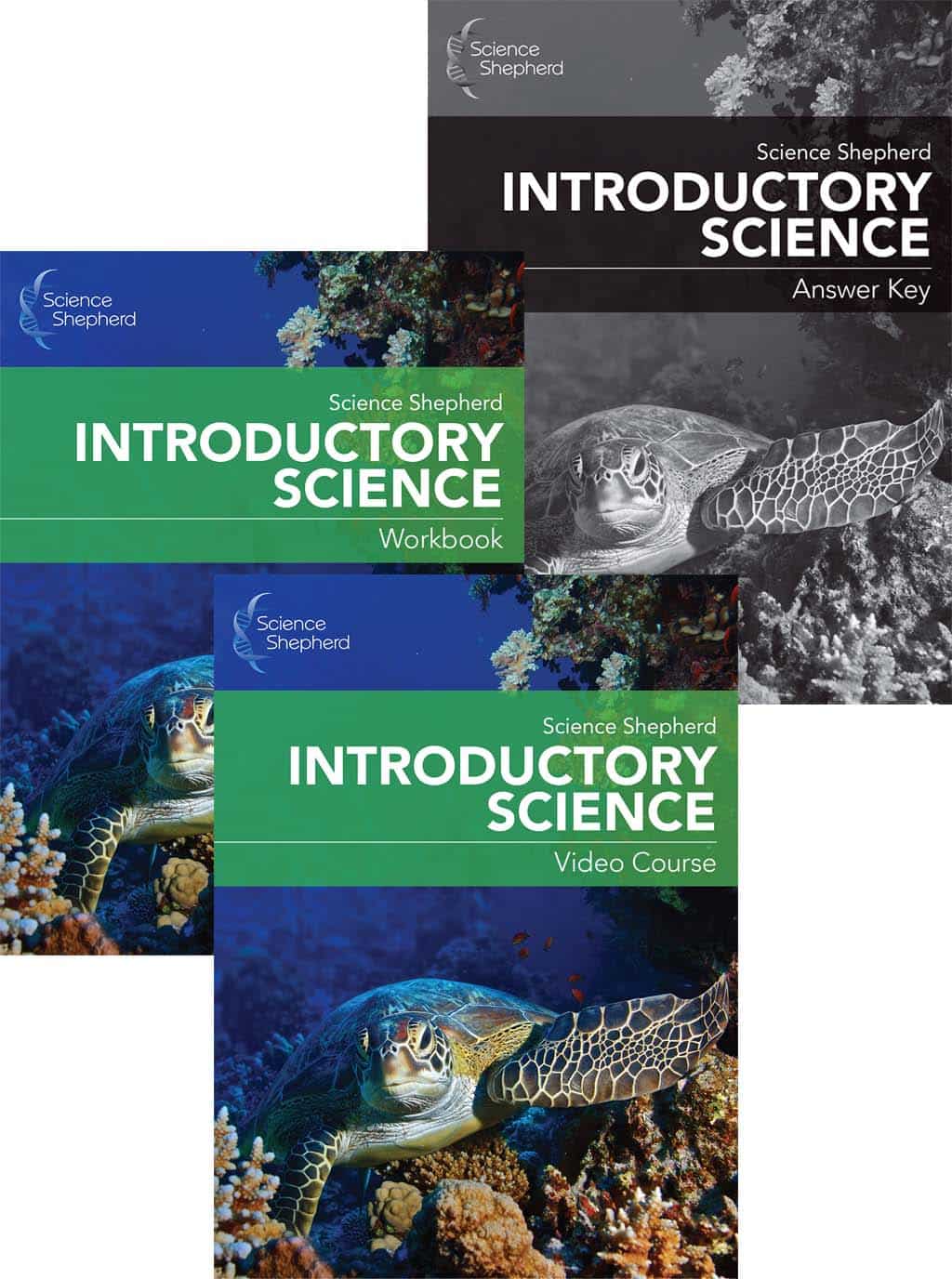
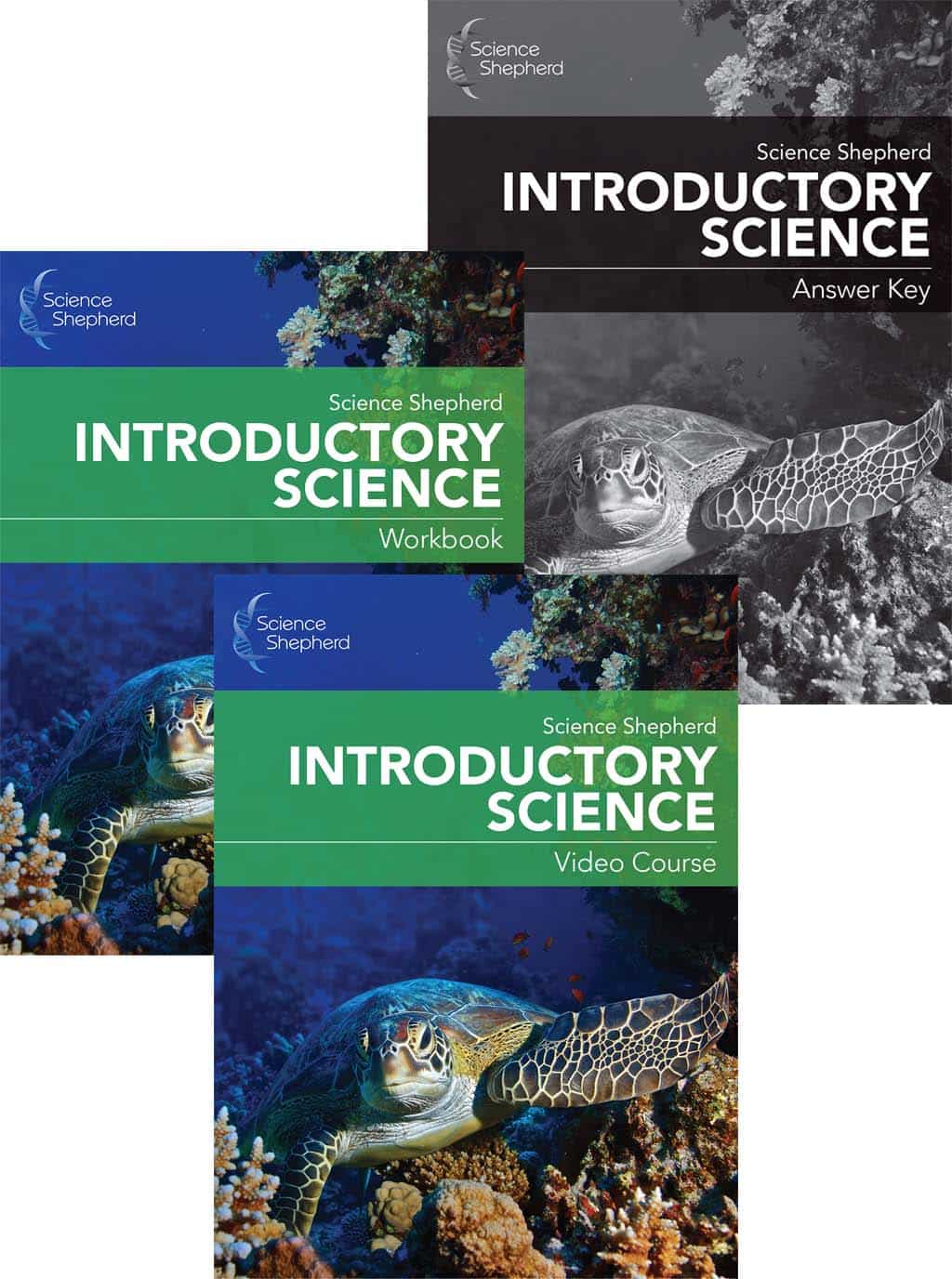
For 4th grade students new to formal science, our Introductory Science should be a great place to start. It is a broad survey of science, covering an array of topics, including biblical creation, scientific skills, plants, animals, the ocean, and more. Introductory Science is a video-based course with corresponding workbook to help students focus on key concepts from each video. There are also activities/experiments for fun hands-on learning, many of them also presented on video.
Workbooks for Introductory Science are available as Level A or Level B options. Both Levels review the same video material, the difference being that Level B is written to be slightly more advanced. Level A is written for 1st-3rd grade, or ages 6-9, while Level B is best suited for 3rd-5th grade, or ages 8-11. The Level B Workbook will typically be the best option for a 4th grader. Because the Level A and Level B Workbooks cover the same lesson videos, families with children in multiple grades can easily work together!
Ready to get started? Save 10% with the Level B Introductory Science bundle for 4th grade!
If your student has already completed Introductory Science, or a similar course, other 4th grade options to consider are Earth Science, Physical Science and Unearthing the Bible.
Earth Science for 4th Grade
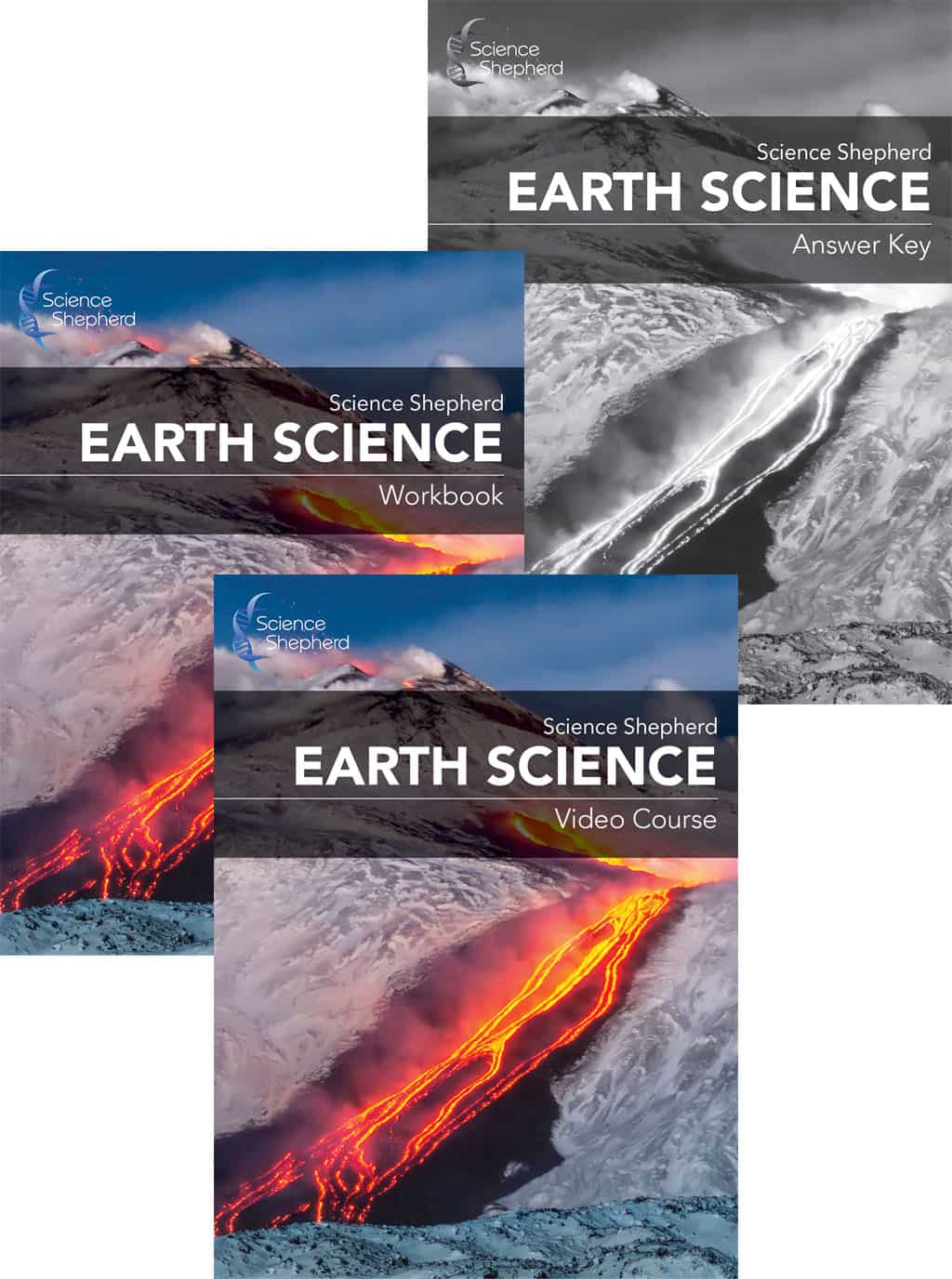
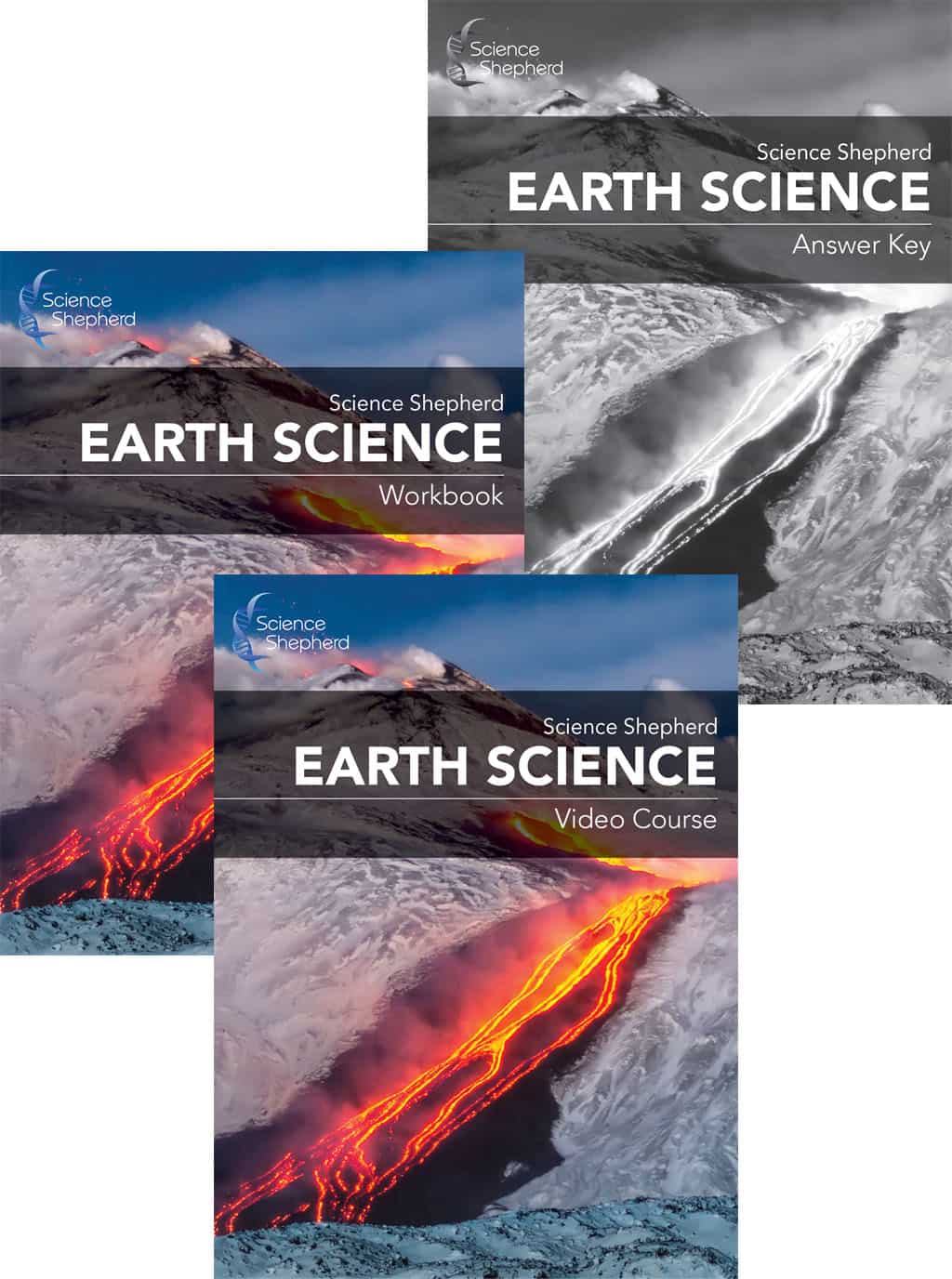
Our Earth Science is another video-based curriculum, covering Earth’s layers, tectonic plates, volcanoes, limnology, and more. Earth Science also uses Level A and Level B formatting. A big difference from Introductory Science, however, is that while Level A and Level B share the same core video lessons, Level B includes about 40 additional videos and workbook material for more advanced study in select areas. But don’t worry, students in both Levels can still complete those core lessons together! A student in Level B will just have an extra video or two each week (on average) to complete. The workbooks for both Levels include activity/experiment pages. The Level A videos and workbook are most suited for 2nd to 4th grade (ages 7-10) and Level B material for 4th to 6th grade (ages 10-12). To choose the best Earth Science Level for 4th grade, the primary consideration will be your student’s reading and comprehension. Workbook samples are available on all product pages to help evaluate the difference between Levels.
Ready to get started? Save 10% with the Level A or Level B Earth Science bundle for 4th grade!
Physical Science for 4th Grade
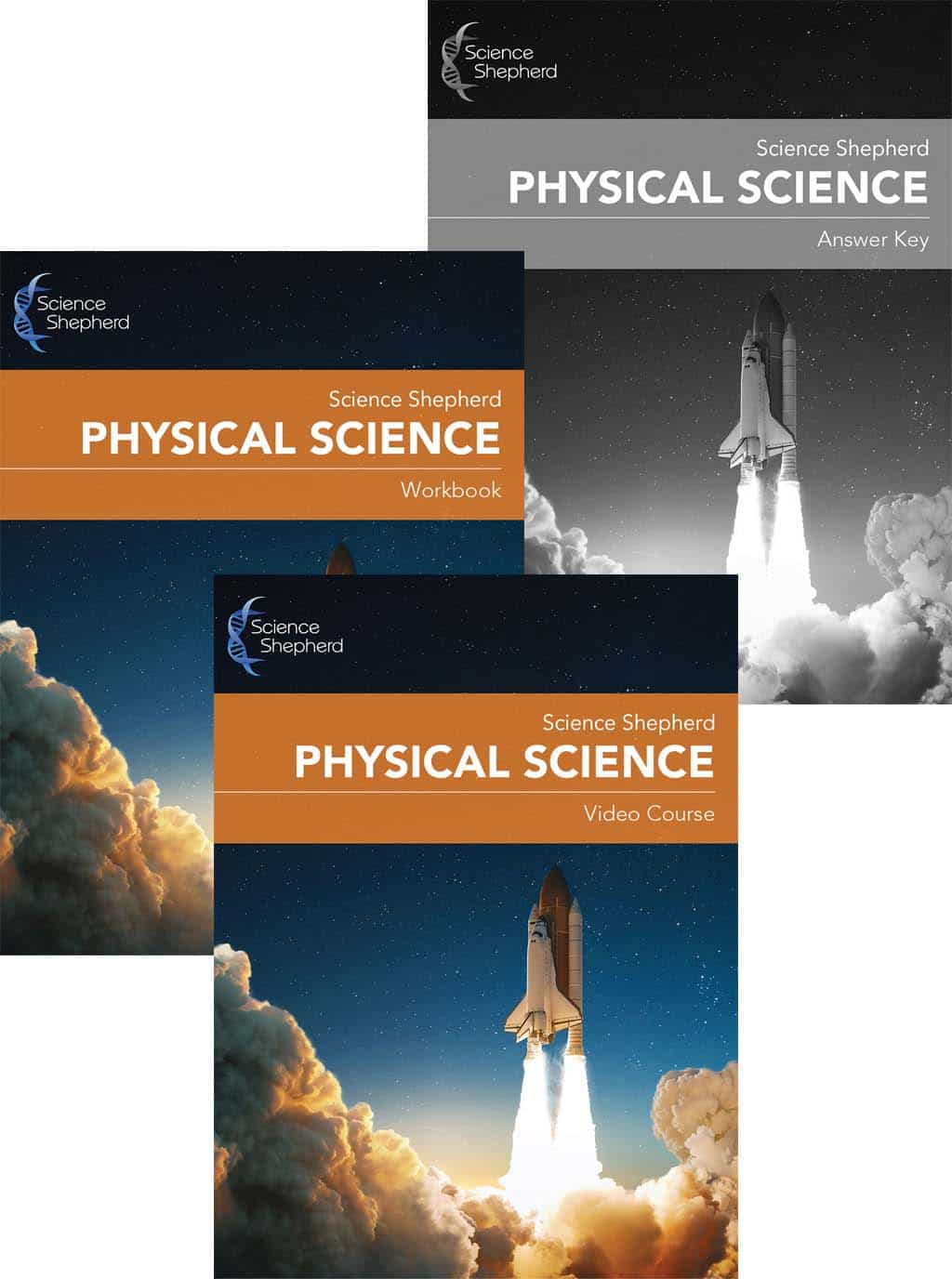
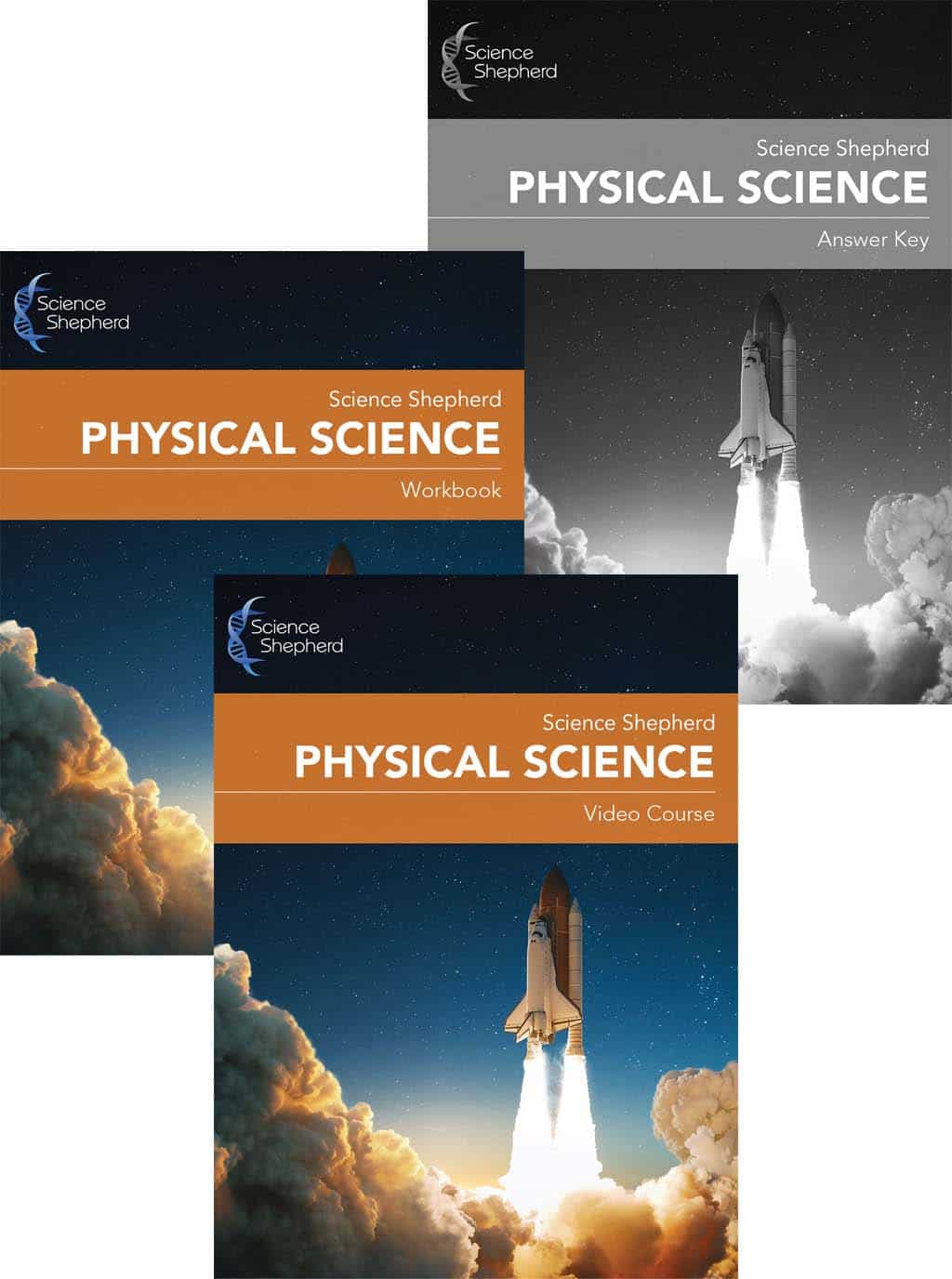
Physical Science is another 4th grade curriculum option. Like Introductory Science and Earth Science, it uses video lessons with a Level A or Level B student workbook. Physical Science features three distinct sections; chemistry, physics and astronomy. Both Levels use the same video lessons, with only the Level A and Level B Workbook content scaled for different ages/grades. Level A is written for grades 3-5 or ages 8 to 11, and Level B for grades 4-6 or ages 9 to 12. Physical Science does incorporate some math, with Level B in particular requiring some basic two-digit-number addition and subtraction, so you’ll want to consider that when choosing the right Level for your student, as well as your student's reading and comprehension. Don't forget to check out the workbook samples, available on all product pages.
Ready to get started? Save 10% with the Level A Physical Science bundle for 4th grade!
Unearthing the Bible for 4th Grade
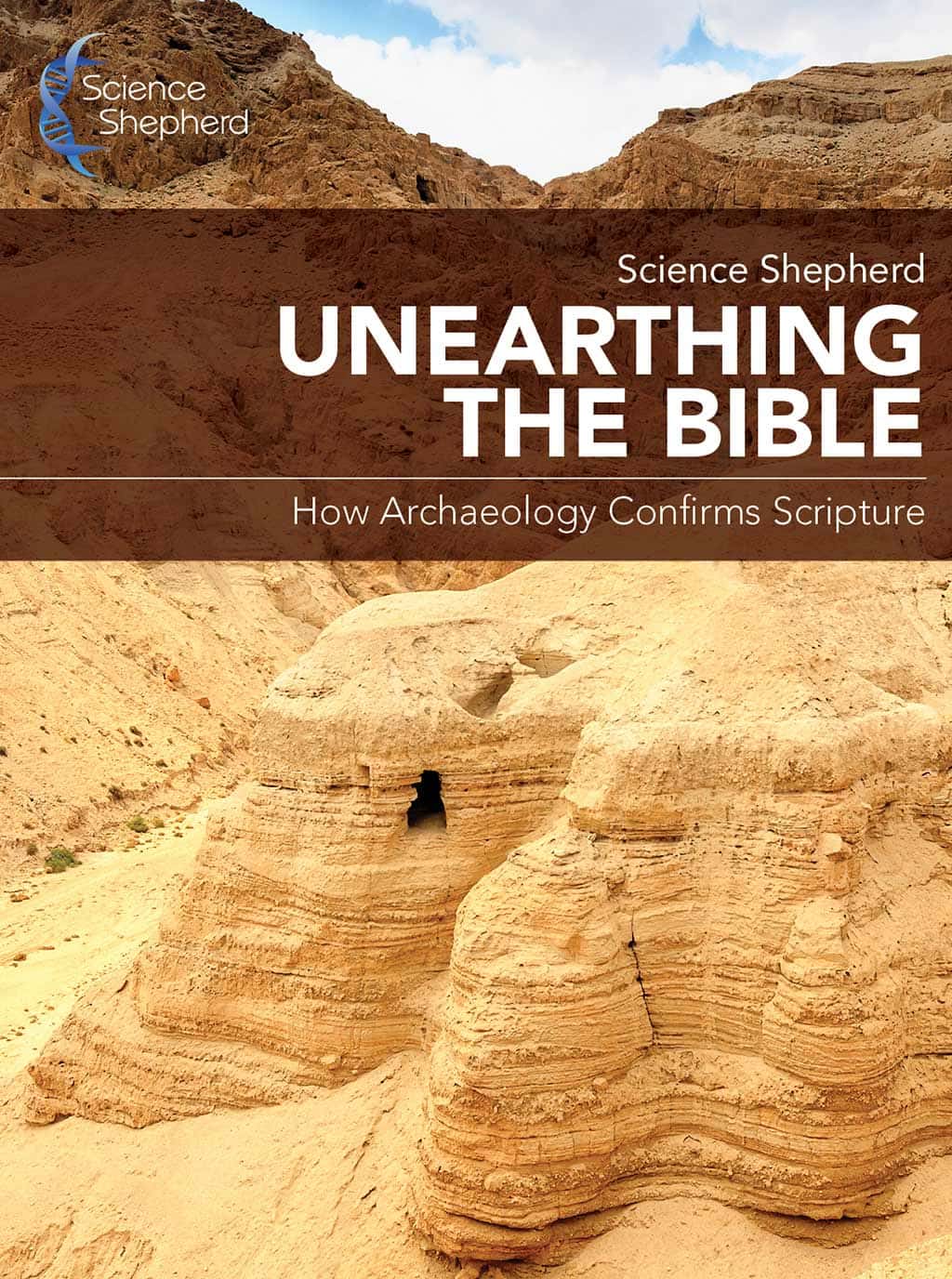
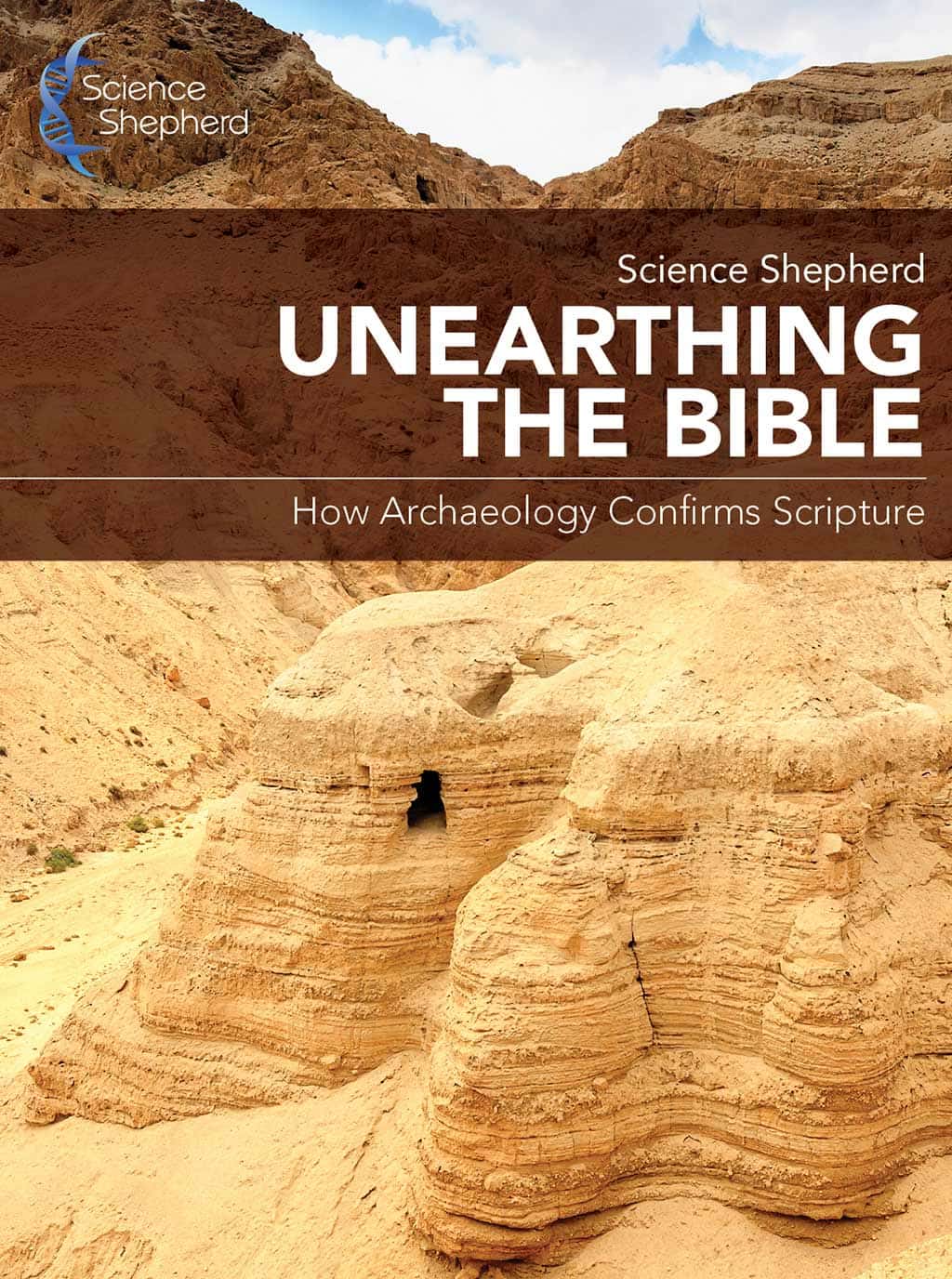
A final course to consider for 4th grade is Unearthing the Bible. It is also a video-based course, with a PDF workbook included with the video enrollment. Throughout the course, students learn about the Pilate Dedication Stone, Ipuwer Papyrus, Dead Sea Scrolls and various other archaeological discoveries that reinforce the historical accuracy of the Bible. Unearthing the Bible does not use a Level A/B format, but the workbook does include “For Advanced Study” sections for older students. Note that, as presented, Unearthing the Bible is only a 15 week, or half semester, class.
Ready to get started? Enroll in Unearthing the Bible for 4th grade today!
Is there a “right” order to everything?
A common question from parents is if there is a “right” order to progress from one grade to another through our available courses. The short answer is that, no, there really isn’t a right or wrong way. While Introductory Science does serve as a logical course to start with, a student who has already completed some formal science or is just more interested in a specific/different topic would be fine to skip Introductory Science. You could always revisit Introductory Science, if desired, after completing a different course, for example Earth Science, and the earth science section of Introductory Science would serve as review. Likewise, a student can take Physical Science before Earth Science.
Additional Options
If these 4th grade homeschool science options don’t seem right for your student, our Recommended Course Progression blog post is another resource you can review to get an overview of what grade level(s) each Science Shepherd course is best suited for.
We hope this overview has been helpful to you in choosing a Science Shepherd 4th grade homeschool curriculum. If you have any questions about the right material for your family, please contact us and we’d be happy to assist.
Until next time,
Science Shepherd